When to Replace Brake Discs (Rotors)
Pads get the attention, but brake discs wear too. A Cranbourne West brake specialist explains when discs need replacing and the signs to watch for.
Brakes need attention? Brake Repairs Cranbourne West
How brake discs wear
Every time you brake, the pads wear against the discs (rotors), so the discs slowly get thinner. Each disc has a minimum thickness — below it, they can’t safely shed heat and must be replaced. Heavy braking, towing and hilly driving wear them faster.
Discs often last through two or more sets of pads, but not forever.
Signs your discs need replacing
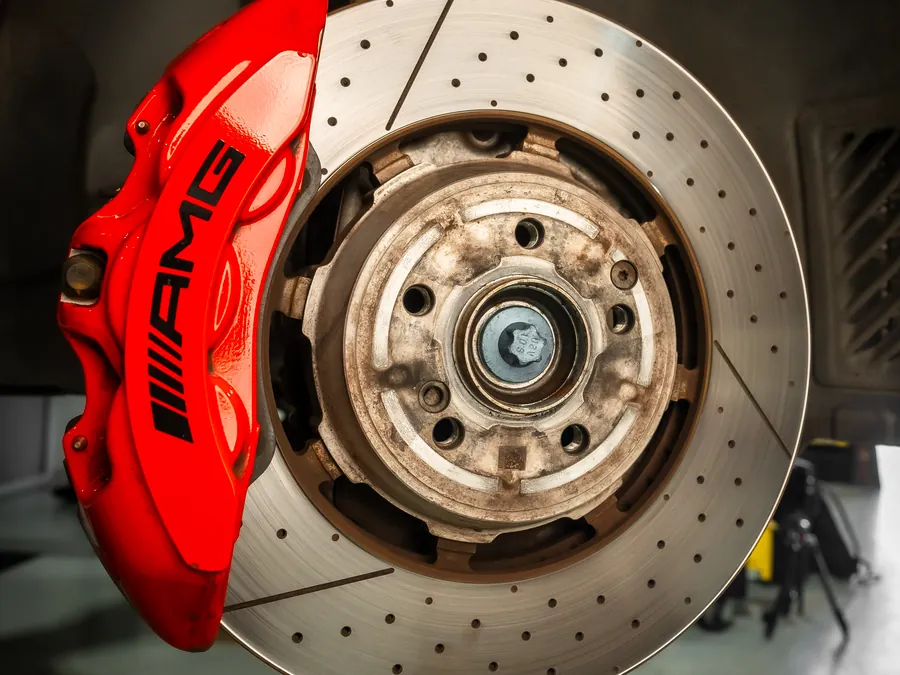
Watch for a pulsing or vibration when braking (uneven/worn discs), a deep lip on the edge of the disc, scoring or grooves, squealing or grinding, or simply discs measured below minimum thickness at a service. Grinding usually means metal-on-metal — act immediately.
We measure disc thickness at brake jobs so you replace them at the right time, not too early or too late.
Replace vs machine
Sometimes discs can be machined (skimmed) if there’s enough material; often, especially on thinner modern discs, replacement is the safer, better-value option. We’ll measure and advise honestly, with fixed written pricing.
Brakes pulsing or noisy? Book a brake check.
When to Replace Brake Discs (Rotors) — FAQ
Often through two or more sets of pads, but it depends on driving. Heavy braking, towing and hills wear them faster.
Pulsing when braking, a deep lip or grooves on the disc, squealing or grinding, or discs measured below minimum thickness.
Sometimes, if there’s enough material. Often replacement is safer and better value on thinner modern discs. We measure and advise.
Not always — only when they’re worn, scored or below minimum thickness. We measure them at each brake job.
Related guides & services
More guides like this
Brakes noisy or pulsing?
Book your car in online in 60 seconds — RACV-accredited, fixed written pricing, no surprises. Or call 03 8782 0711.
Book it in
Pick a day below and we’ll confirm your exact time by SMS. Fixed written pricing before any work.