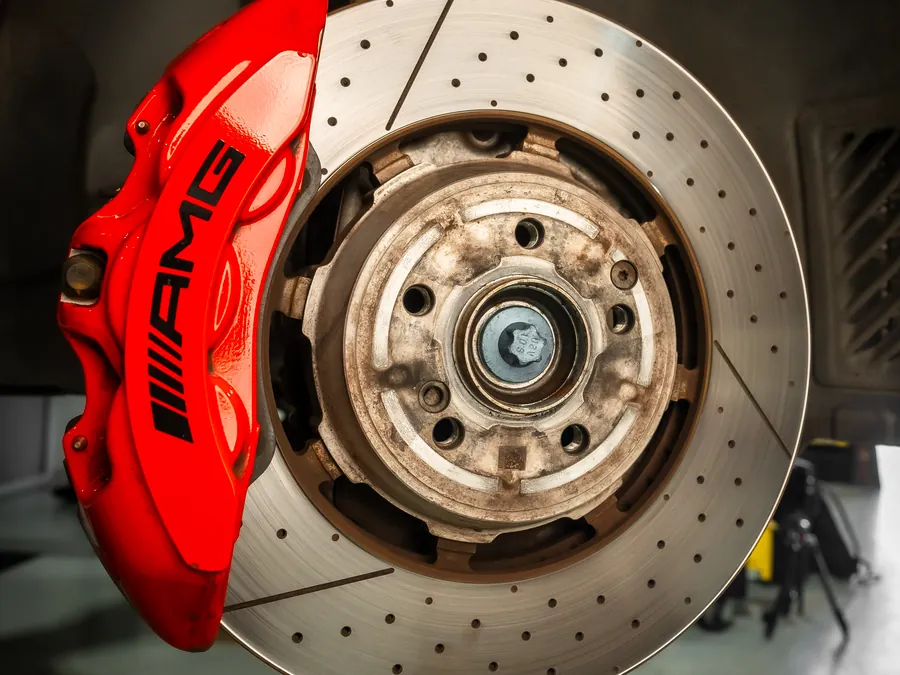
Replace or Machine Brake Discs: Which Is Right?
Worn brake discs — can they be machined, or do they need replacing? A Cranbourne West brake specialist explains.
Brakes need attention? Brake Repairs Cranbourne West
What each option means
Machining (skimming) removes a thin layer to true up a disc with light scoring or mild warping — cheaper, but only possible if the disc stays above its minimum thickness afterwards. Replacement is needed when the disc is too thin, deeply scored, cracked, or badly warped.
Many modern discs are relatively thin from new, so there’s often little material to safely machine — making replacement the safer, better-value call.
How we decide
We measure disc thickness and run-out against the manufacturer minimum, then advise honestly: machine if there’s enough healthy material and it’ll last, or replace if it won’t. Pads are usually renewed at the same time so they bed in correctly.
You get the measurements and a straight recommendation — not an automatic upsell to new discs.
Not sure which is right for your car?
Every car and situation is different — the best choice depends on your exact vehicle, how you use it and its condition. We give you straight, no-pressure advice based on what’s actually best for you, not what makes us the most.
Talk it through with a Cranbourne West specialist. Book online in 60 seconds or call 03 8782 0711.
Replace or Machine Brake Discs: Which Is Right? — FAQ
Sometimes — if they stay above minimum thickness after skimming. Many modern discs are too thin to safely machine.
When too thin, deeply scored, cracked or badly warped.
Usually yes — fresh pads bed in correctly to machined or new discs.
We measure thickness and run-out against the minimum and advise honestly.
Related guides & services
More guides like this
Want honest advice?
Book your car in online in 60 seconds — RACV-accredited, fixed written pricing, no surprises. Or call 03 8782 0711.