Car Won’t Start? 8 Common Causes and Fixes
Car won’t start – clicking, cranking but not firing, or totally dead? A Cranbourne West workshop explains the 8 most common causes, what to check yourself, and how we diagnose a no-start.
How booking works: to find a no-start fault we book a $374 incl. GST pre-paid diagnostic — a dedicated two-hour diagnostic booking plus a written report, not a free quote, and it applies even if we find the likely fault sooner. Any repair is quoted separately in writing before we start. Already know the exact work you want? Call 03 8782 0711 or ask us to add it to a service booking and we’ll quote it in writing.
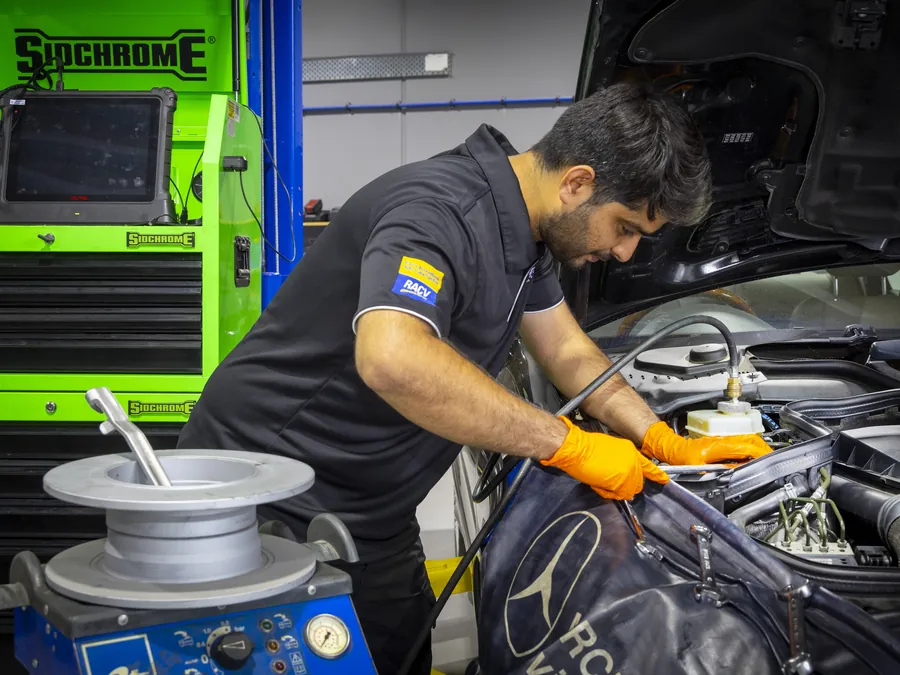
Want the fault found properly? Diagnostics in Cranbourne West — $374, paid up front
First, what kind of ‘won’t start’ is it?
The fix depends entirely on the symptom, so notice what happens when you turn the key. Nothing at all (no lights, no click) points to the battery or its connections. A rapid clicking but no crank usually means the battery is too flat to spin the starter. The engine cranks (turns over) but won’t fire points to fuel, spark or a sensor. And a single clunk with no crank often means the starter motor. Telling us which of these you have – or noting it before you call – cuts straight to the cause instead of guessing.
1. A flat or dying battery (the usual culprit)
Most no-starts come down to the battery. If the dash lights are dim or dead, the starter clicks rapidly, or the car needed a jump recently, suspect the battery first. Batteries typically last a few years and fail faster with short trips, hot summers and cold mornings. A jump-start may get you going, but if the battery is at the end of its life it will strand you again – so it is worth testing rather than just charging. See our battery warning-signs guide.
2. Corroded or loose battery terminals
Sometimes the battery is fine but the connection is not. White or green crusty build-up on the terminals, or a clamp that is loose, stops current reaching the starter. The symptom mimics a flat battery – dim lights, clicking, intermittent starting that comes and goes as the car moves. It is a cheap fix when caught early, but a bad connection can also leave you stranded at the worst moment. We clean, check and load-test the whole starting circuit, not just the battery.
3. A failing starter motor
If you turn the key and hear a single loud click or clunk but the engine does not spin – and the battery is healthy – the starter motor itself is the likely suspect. Starters wear out, and a tell-tale sign is intermittent starting that gets worse, sometimes helped briefly by tapping the starter. Occasionally it is the starter solenoid or the ignition switch rather than the motor. We test the starting circuit to confirm which component has failed before replacing anything.
4. The alternator (why it left you stranded)
The alternator charges the battery while you drive. When it fails, the car runs off the battery alone until it is flat – so you might drive fine, park, and then find the car completely dead. Warning signs beforehand include a battery or charging light, dimming headlights, or electrical gremlins. A common mistake is replacing the battery when the alternator is the real fault – the new battery soon goes flat too. We test charging output to tell the two apart.
5. Fuel delivery problems
If the engine cranks healthily but will not fire, fuel is a prime suspect. The obvious one is an empty tank (gauges do fail). Beyond that, a failing fuel pump, a clogged filter, or a faulty fuel-pressure sensor can all starve the engine. A worn pump sometimes gives itself away with a whine or intermittent starting in the days before. Diagnosing fuel issues properly means checking pressure and the pump circuit – guesswork here gets expensive fast, so it is worth a proper diagnostic.
6. Immobiliser, key or security fault
Modern cars won’t start if the immobiliser does not recognise the key. A dead key-fob battery, a damaged key, or an immobiliser/security fault can leave you cranking with no start – sometimes with a key or security light flashing on the dash. Try the spare key first. If both keys fail, it is usually an electronic fault that needs diagnostic equipment to read and reset. We can scan the security system to see exactly what it is rejecting.
7. A blown fuse or bad earth
Cars rely on good fuses and solid earth (ground) connections. A blown fuse in the starting or fuel circuit, or a corroded earth strap, can cause odd no-start behaviour that comes and goes. These faults are frustrating to chase because the symptoms are intermittent, but they are also relatively inexpensive once found. A systematic check of the relevant fuses, relays and earths is part of how we diagnose an electrical no-start rather than throwing parts at it.
8. An engine sensor or mechanical fault
Less common but important: a failed crankshaft or camshaft position sensor can stop the engine firing even though everything else seems fine, and the car may crank endlessly with no start. Rarely, a mechanical problem such as a snapped timing belt is behind it – which is serious. This is where brand-level diagnostics earn their keep: reading the live data and fault codes shows whether the engine is getting the spark and signal it needs, so we fix the actual cause.
What to check yourself before you call
A few safe checks can save a call-out. Make sure it is in Park or Neutral. Look at the dash when you turn the key – bright lights or dim? Try the spare key. Check you actually have fuel. Look for obvious loose or corroded battery terminals. If a jump-start works, the battery or charging system is the likely area. Beyond that, resist the urge to keep cranking – it floods the engine and flattens the battery. Note your symptoms and let us diagnose it accurately.
How we diagnose a no-start – and get you going
Rather than guess-and-replace, we test the starting and charging circuits, scan for fault codes, and check fuel and spark in a logical order until we find the real cause – then quote the fix in writing first. We are your RACV-accredited Cranbourne West workshop, and we can advise whether it is safe to attempt a jump or whether it needs to come to us. Book online or call 03 8782 0711.
Need a hand from a real mechanic?
StarTech Prestige is your RACV-accredited Cranbourne West specialist. Book online or call 03 8782 0711.
Book Online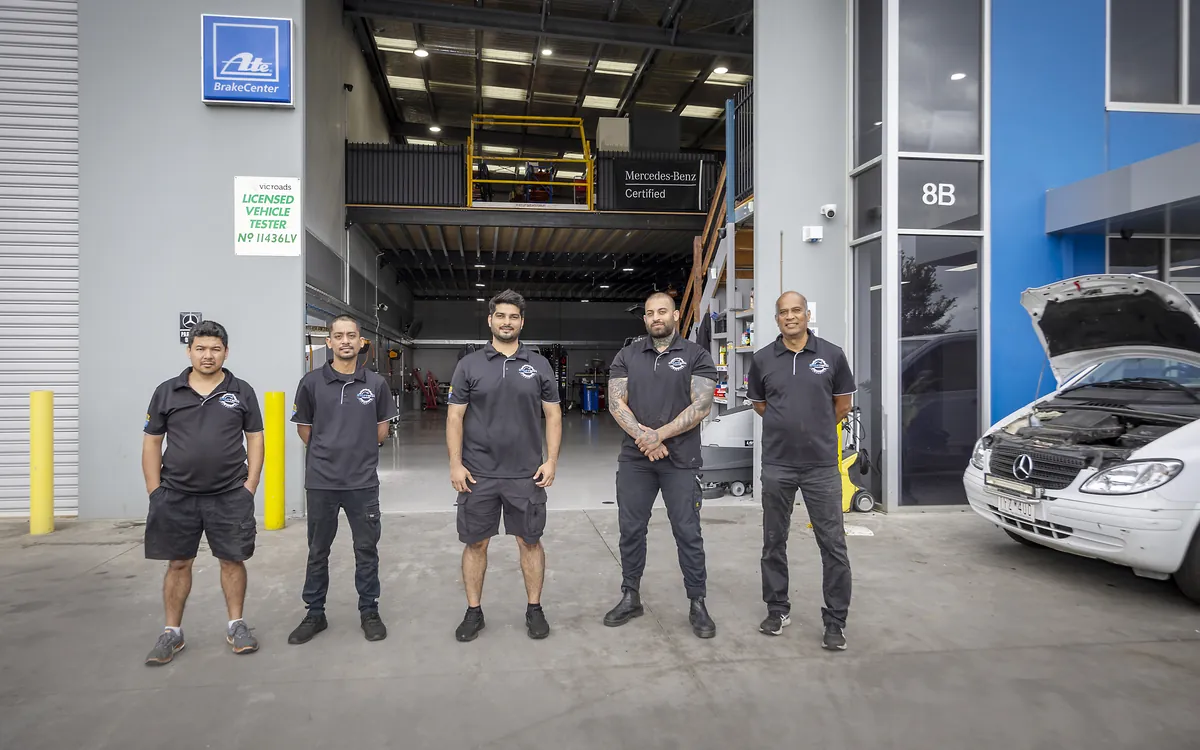
Patrick, Leon & the StarTech Prestige team
A father-and-son workshop — founded by Patrick (40+ years in the trade) and run by his son Leon, servicing Mercedes-Benz and European cars in Cranbourne West for 22+ years. StarTech Prestige is RACV-Accredited, VACC A-Grade and ARCtick licensed — backed by real Google reviews.
Car Won’t Start? 8 Common Causes and Fixes — FAQ
The most common cause is the battery or its connections, followed by the starter motor, alternator, fuel delivery, or an immobiliser fault. The exact cause depends on whether the car is dead, clicking, or cranking without firing.
Rapid clicking usually means the battery is too flat to spin the starter; a single clunk with no crank often points to the starter motor. We test the whole circuit to confirm which.
If a jump gets you going but it dies again, the alternator (charging) is the likely fault; if the battery holds a charge once recharged, it’s the battery. A charging test tells them apart – replacing the wrong one is a common, costly mistake.
Yes – we test the starting and charging circuits, scan fault codes and check fuel and spark to find the real cause, then quote the fix up front.
Book online in 60 seconds — done.
Fixed written pricing, RACV-accredited and warranty-safe. Pick a time that suits you and you’re done — trusted by Cranbourne West drivers.
Talk to a real mechanic
Lock in your spot in 60 seconds. Every repair priced in writing before we start.
Book Online →Call 03 8782 07118B Universal Way, Cranbourne West VIC 3977 · Mon-Fri 8:30am-5:30pm
More guides like this
Questions about your car?
Talk to a real Cranbourne West mechanic. Call 03 8782 0711 or book online.