Car Making a Noise? What Different Car Sounds Mean
Squealing, grinding, clunking or whining? A Cranbourne West workshop decodes the most common car noises, what each one usually means, and which ones mean stop driving.
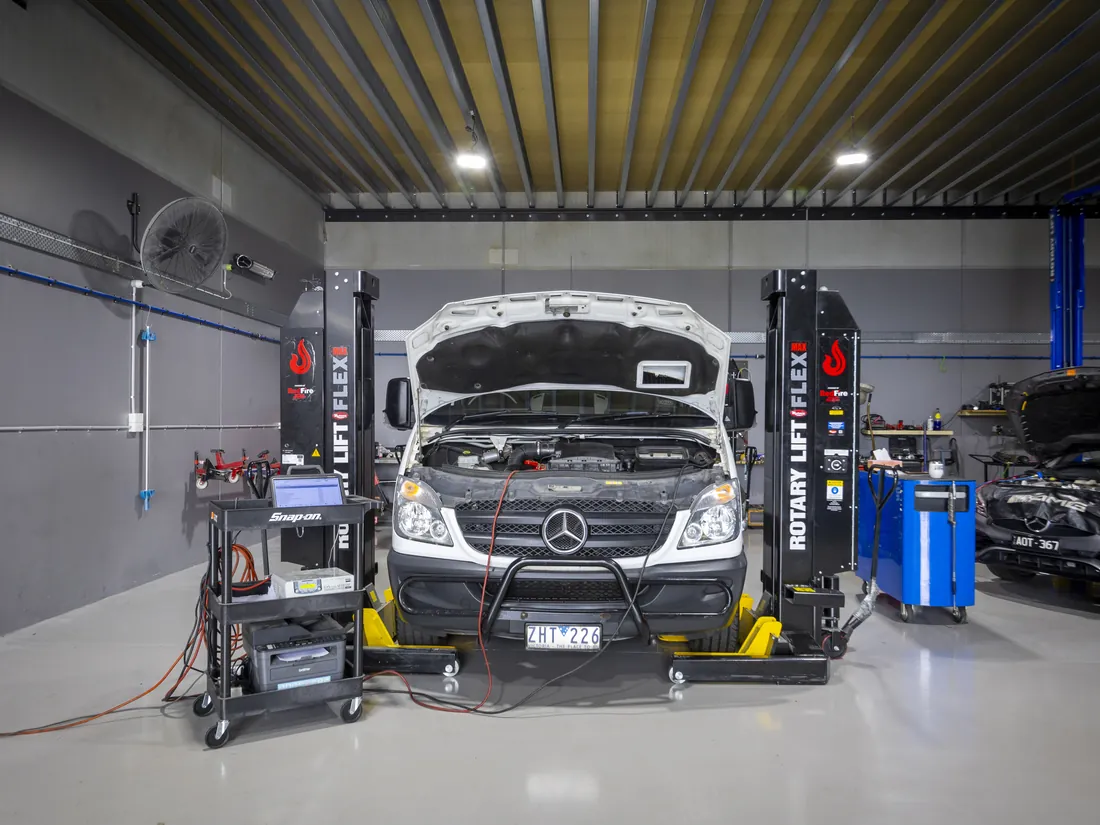
Want the fault found properly? Diagnostics in Cranbourne West — $374, paid up front
Your car is trying to tell you something
Cars rarely fail without warning – and very often the warning is a noise. A new sound is your car flagging a developing problem while it is still small and cheap to fix. The trick is knowing what different noises usually mean, and which ones mean keep driving gently to a workshop versus stop now. This guide runs through the most common car sounds we get asked about, what each typically points to, and how urgent it is. When in doubt, a noise is always worth a quick check – it rarely gets cheaper by waiting.
Squealing when you brake
A high-pitched squeal when braking is usually the brake pads’ wear indicator – a small metal tab designed to make exactly that noise when the pads get thin. It is the polite, cheap warning that pads need replacing soon, often before any damage to the rotors. Occasionally squeal is just dust or moisture after rain, but a consistent squeal should be checked. Caught at this stage it is usually a straightforward pad replacement. See our brake warning signs guide.
Grinding when you brake
If braking produces a harsh metallic grinding, that is the urgent one. It usually means the pad material is gone and metal is contacting the rotor – so you are losing braking performance and carving grooves into the rotors with every stop. Grinding turns a pad job into a pads-and-rotors job and is a safety risk. This is a stop-driving-normally-and-book-it noise. Our brake repair service can sort it, and we measure everything and quote before any work.
Clunking or knocking over bumps
A clunk, knock or rattle when you go over bumps or speed humps usually points to worn suspension – tired bushes, a worn ball joint, a failing strut mount, or a loose sway-bar link. Something that should be holding firm has developed play. It is also a roadworthy concern and tends to worsen, stressing neighbouring parts. If your car clunks over bumps, it is worth a suspension check. See our suspension warning signs guide and suspension service.
Knocking or ticking from the engine
Engine noises deserve attention. A light ticking can be a valvetrain or low-oil issue; a deeper knocking that speeds up with the engine can be more serious (worn bearings or, on some engines, timing-related). A rattle on cold start-up can point to a timing chain tensioner. None of these are ‘turn the radio up’ noises – low oil or timing trouble can do real damage. If your engine has developed a knock, tick or rattle, get it diagnosed before driving it hard.
Whining that rises with speed
A whine that changes pitch with road speed often points to the driveline – a wheel bearing (frequently with a droning or rumbling quality that changes when cornering), or a differential/transmission issue. A whine that changes with engine speed (revs) instead can be a belt-driven accessory or the power steering. Pinning down whether the noise tracks speed or revs is a big clue, and something we listen for. Bearings in particular are best fixed early, before they fail completely.
Hissing or bubbling
A hissing noise, especially after switching off, can be coolant escaping onto a hot engine or a vacuum leak – either worth checking, as the cooling one can relate to overheating. A bubbling or gurgling from the dash area can be air in the cooling system. Because anything cooling-related can lead to overheating (which is serious), a hiss accompanied by temperature changes or a sweet smell should be looked at promptly. See our overheating guide.
Rattling under the car
A rattle from underneath, especially over bumps or at idle, is often exhaust-related – a loose heat shield, a corroded mount, or a failing exhaust section. Heat shields in particular love to rattle as they age. While many under-car rattles are not urgent, a dragging exhaust or a blowing leak should be fixed (and a blowing exhaust can fail a roadworthy). We can quickly identify whether an under-car rattle is a cheap fix or something needing more attention.
Squeal on start-up or acceleration
A squeal or chirp on start-up or when accelerating – different from the braking squeal – is often a slipping or worn auxiliary (serpentine) drive belt, or a failing tensioner/pulley. That belt drives things like the alternator, water pump and air-con, so a failing one is worth sorting before it breaks and leaves you without charging or cooling. A belt squeal that comes and goes, especially when cold or damp, is the belt asking for attention. It is usually an inexpensive fix caught early.
When to act – and how we find the noise
Simple rule: braking grinds, engine knocks, and anything cooling-related deserve prompt attention; most other noises are ‘book it soon’ rather than ‘stop now’ – but a quick check is always cheaper than a guess. Describing when the noise happens (braking, bumps, speed, revs, cold start) helps us pinpoint it fast. We road-test and diagnose to find the real source rather than throwing parts at it. We are your Cranbourne West workshop. Book online or call 03 8782 0711.
Need a hand from a real mechanic?
StarTech Prestige is your RACV-accredited Cranbourne West specialist. Book online or call 03 8782 0711.
Book Online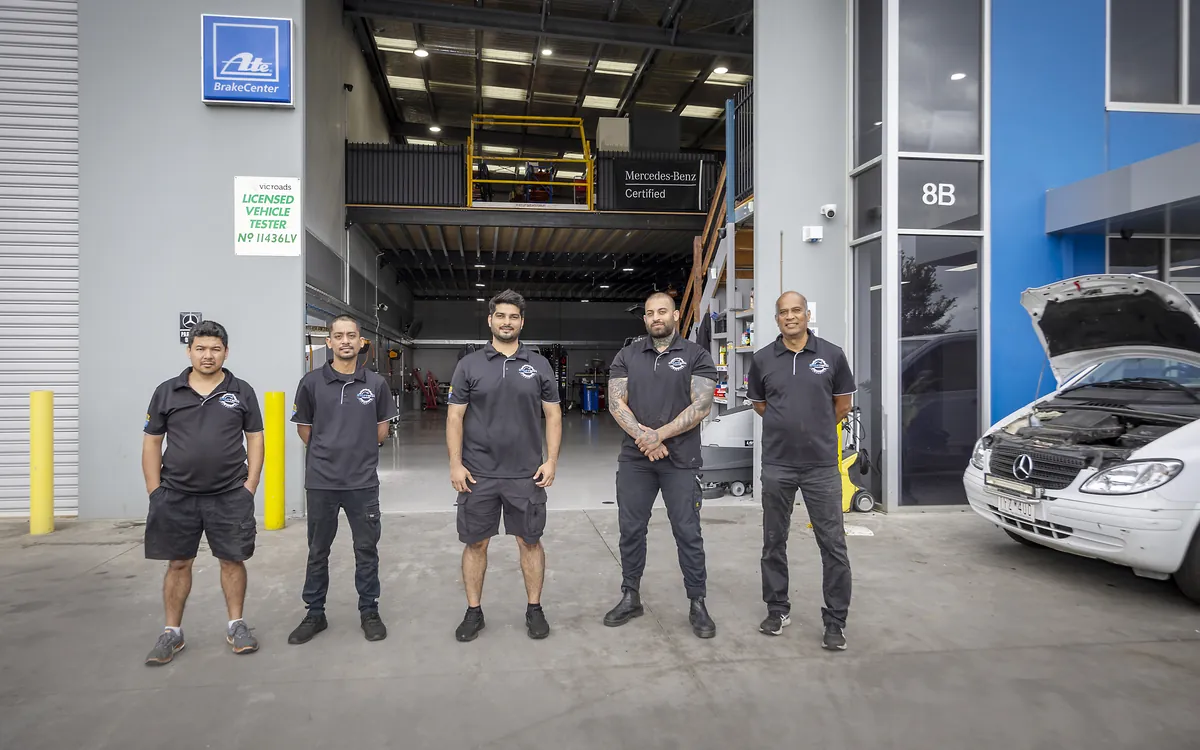
Patrick, Leon & the StarTech Prestige team
A father-and-son workshop — founded by Patrick (40+ years in the trade) and run by his son Leon, servicing Mercedes-Benz and European cars in Cranbourne West for 22+ years. StarTech Prestige is RACV-Accredited, VACC A-Grade and ARCtick licensed — backed by real Google reviews.
Car Making a Noise? What Different Car Sounds Mean — FAQ
Usually that the brake pads are worn out and metal is contacting the rotor. It’s a safety issue that also damages the rotors – stop driving normally and have the brakes checked promptly.
Most often worn suspension – bushes, a ball joint, a strut mount or a sway-bar link that has developed play. It’s a roadworthy concern and worsens over time, so it’s worth a suspension check.
Yes. A knock or deep tick can mean low oil, worn bearings or a timing issue – all capable of serious damage. Get it diagnosed before driving hard.
Yes – describing when it happens (braking, bumps, speed, revs, cold start) helps a lot, and we road-test and diagnose to find the real source rather than guessing.
Book online in 60 seconds — done.
Fixed written pricing, RACV-accredited and warranty-safe. Pick a time that suits you and you’re done — trusted by Cranbourne West drivers.
Talk to a real mechanic
No waiting on quotes — lock in your spot in 60 seconds. Fixed written pricing confirmed before any work.
Book Online →Call 03 8782 07118B Universal Way, Cranbourne West VIC 3977 · Mon-Fri 8:30am-5:30pm
More guides like this
Questions about your car?
Talk to a real Cranbourne West mechanic. Call 03 8782 0711 or book online.