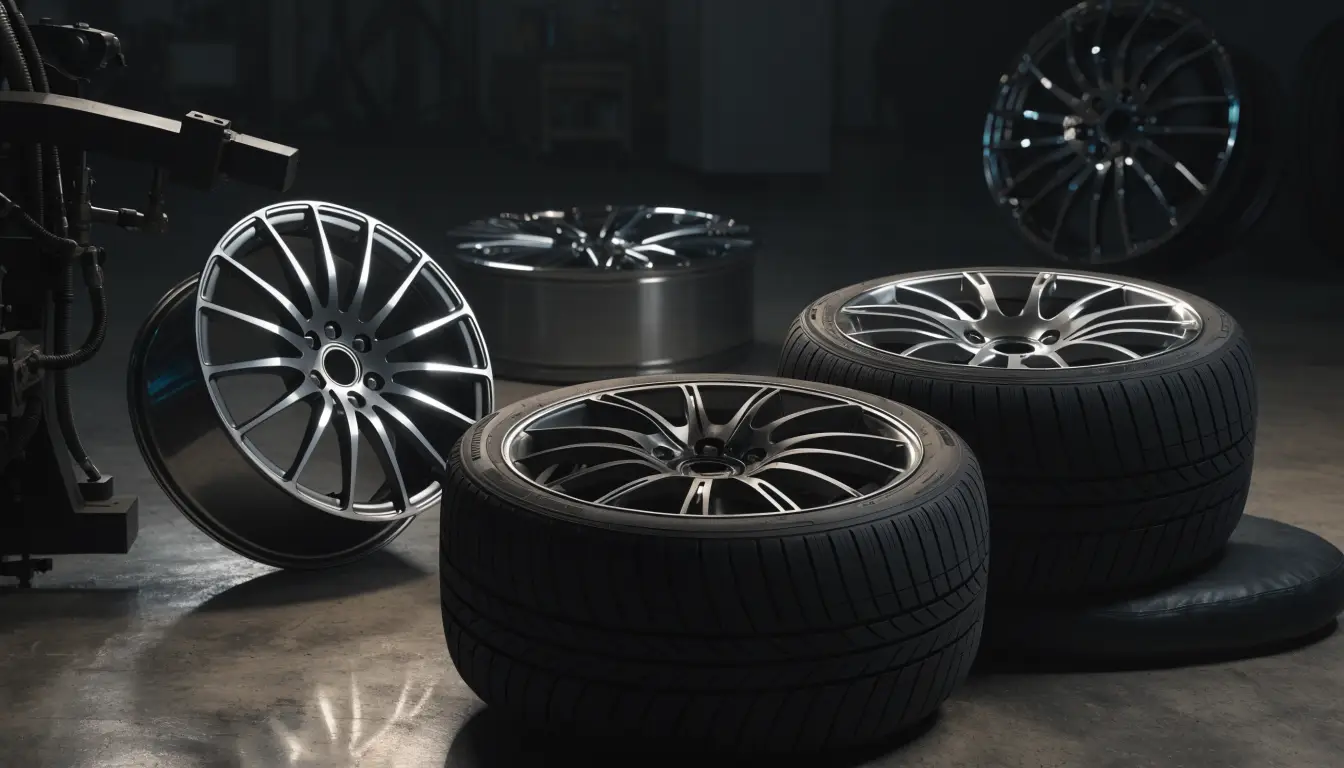
Run-Flat vs Normal Tyres: Which Is Better?
Many European cars come on run-flats. A Cranbourne West specialist explains the trade-offs.
Due for a service? Car Service Cranbourne West — from $349
How they differ
Run-flat tyres have reinforced sidewalls that let you drive a short distance (typically ~80 km at reduced speed) after a puncture, so there’s often no spare. The trade-offs: a firmer ride, higher cost, and they generally can’t be repaired (replace only). Normal tyres ride softer, cost less and can often be repaired — but need a spare or inflator kit.
Many BMWs and some other Euros come on run-flats from the factory.
Switching or staying
You can usually switch from run-flats to normal tyres (gaining ride comfort and lower cost) if you carry an inflator kit or spare — and some prefer to. Staying on run-flats keeps the no-spare convenience and the car’s intended setup.
We’ll advise what suits your car and how you drive, and fit either correctly.
Not sure which is right for your car?
Every car and situation is different — the best choice depends on your exact vehicle, how you use it and its condition. We give you straight, no-pressure advice based on what’s actually best for you, not what makes us the most.
Talk it through with a Cranbourne West specialist. Book online in 60 seconds or call 03 8782 0711.
Run-Flat vs Normal Tyres: Which Is Better? — FAQ
Run-flats let you drive a short way after a puncture (often no spare) but ride firmer, cost more and usually can’t be repaired.
Usually yes — gaining comfort and lower cost — if you carry an inflator/spare. We’ll advise.
Generally no — they’re replace-only after a puncture.
For the no-spare packaging and safety after a puncture — many come on them from factory.
Related guides & services
More guides like this
Want honest advice?
Book your car in online in 60 seconds — RACV-accredited, fixed written pricing, no surprises. Or call 03 8782 0711.