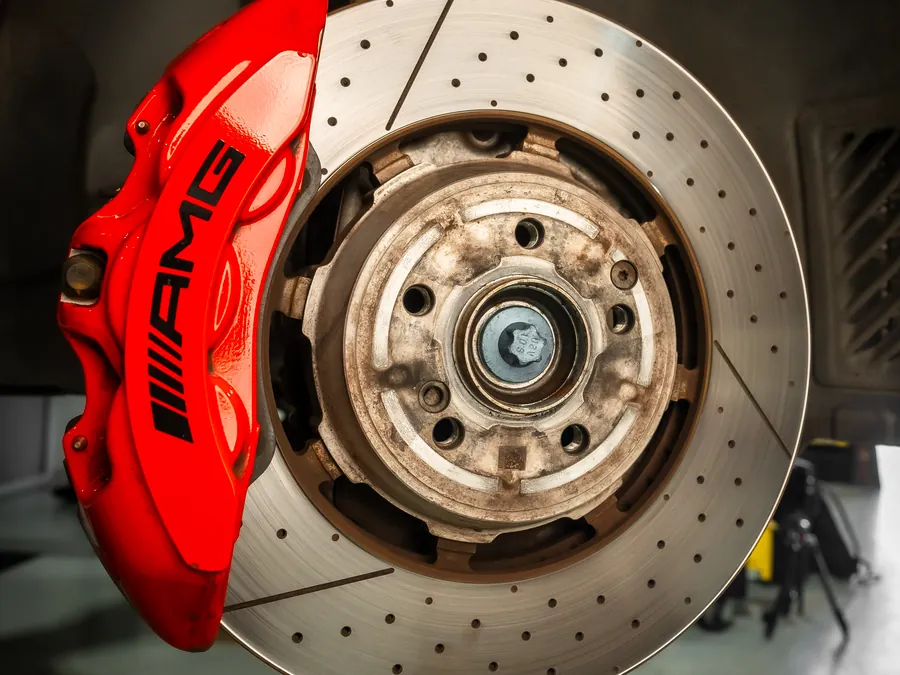
How to Check Your Brake Pads
You can get a rough idea of brake-pad wear yourself. A Cranbourne West brake specialist shows you how — and when to get them checked properly.
Brakes need attention? Brake Repairs Cranbourne West
A quick visual check
On many cars you can see the outer brake pad through the wheel spokes — look at the friction material’s thickness against the metal backing. Roughly 3 mm or less means it’s time to plan replacement; metal-on-metal or a deep groove in the disc means act now.
Listen too: a high squeal is often the wear indicator; grinding means the pads are gone.
Why a proper check still matters
A visual check only shows the outer pad — the inner pad, the discs, calipers and brake fluid all need proper inspection, which we do as part of any service or brake check. Pads can also wear unevenly if a caliper is sticking.
If you’re unsure, book a free-of-guesswork brake inspection and we’ll measure and advise honestly.
We’ll take care of it
Prefer to leave it to a specialist? We look after all of this as part of a service or a quick check — with honest advice on what your car actually needs, not what sells.
Book online in 60 seconds or call a Cranbourne West specialist on 03 8782 0711.
How to Check Your Brake Pads — FAQ
Look at the outer pad through the wheel — ~3 mm or less means plan replacement; grinding means act now.
New pads are around 10–12 mm; replace at roughly 3 mm. We measure precisely.
Only the outer one usually — the inner pad, discs and calipers need a proper inspection.
Squealing is often the wear indicator; grinding means metal-on-metal — get it checked now.
Related guides & services
More guides like this
Want it done properly?
Book your car in online in 60 seconds — RACV-accredited, fixed written pricing, no surprises. Or call 03 8782 0711.