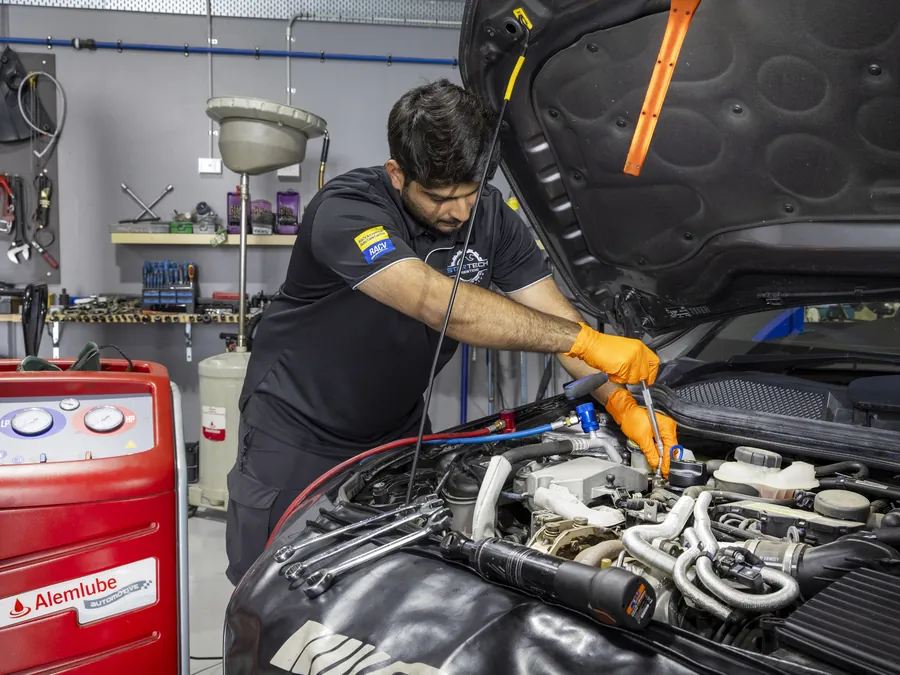
What Is a PCV Valve?
The small PCV valve can cause big running problems when it fails. A Cranbourne West specialist explains.
Want the fault found properly? Car Diagnostics Cranbourne West — $374 prepaid
What it is & what it does
The PCV (positive crankcase ventilation) valve vents pressure and fumes from the engine’s crankcase back into the intake to be burned, instead of releasing them. It’s a simple but important emissions and engine-health component.
On many modern engines it’s built into the cam/rocker cover.
Signs of trouble & how we help
A failed PCV system causes rough idle, oil leaks (from the pressure it can’t vent), whistling/sucking noises, increased oil use, or a check-engine light. On some engines a failed PCV diaphragm is a known fault.
We diagnose PCV faults and replace the valve or cover assembly to restore correct crankcase ventilation.
Questions about your car? Just ask.
Understanding what’s under the bonnet makes servicing decisions easier — and we’re always happy to explain what your car needs and why, in plain English.
Book a service or a check with a Cranbourne West specialist online in 60 seconds, or call 03 8782 0711.
What Is a PCV Valve? — FAQ
It vents crankcase pressure and fumes back into the intake to be burned — for emissions and engine health.
Rough idle, oil leaks, whistling/sucking noises, more oil use, or a check-engine light.
On some engines, yes — the PCV diaphragm in the cover is a known failure point.
We replace the valve or cover assembly to restore proper ventilation.
Related guides & services
More guides like this
Need yours checked?
Book your car in online in 60 seconds — RACV-accredited, fixed written pricing, no surprises. Or call 03 8782 0711.
Book it in
Pick a day below and we’ll confirm your exact time by SMS. Fixed written pricing before any work.