What Is a Vacuum Leak (and Why It Matters)?
A small vacuum leak can cause big running problems. A Cranbourne West specialist explains.
What it is & what it does
Petrol engines use intake vacuum to run sensors and systems and to meter air precisely. A vacuum leak is unmetered air sneaking in through a cracked hose, gasket or intake seal, upsetting the air/fuel mixture.
Even a small leak throws the mixture out, so the engine compensates and runs poorly.
Signs of trouble & how we help
Vacuum leaks cause rough or high idle, hesitation, a check-engine light (lean codes), and sometimes a hiss. They’re a common cause of idle problems on older European engines as hoses and gaskets age.
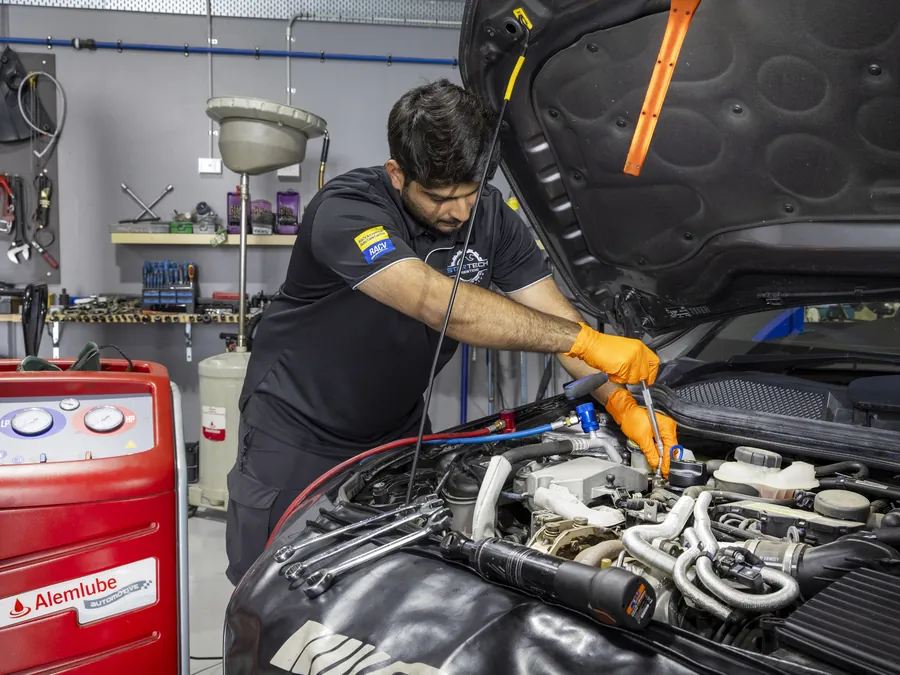
We smoke-test the intake to find leaks precisely, then replace the faulty hose, gasket or seal.
Questions about your car? Just ask.
Understanding what’s under the bonnet makes servicing decisions easier — and we’re always happy to explain what your car needs and why, in plain English.
Book a service or a check with a Cranbourne West specialist online in 60 seconds, or call 03 8782 0711.
What Is a Vacuum Leak (and Why It Matters)? — FAQ
Unmetered air entering through a cracked hose, gasket or seal, upsetting the air/fuel mixture.
Rough or high idle, hesitation, a hiss, and a lean check-engine code.
We smoke-test the intake to pinpoint it rather than guessing.
Often a hose or gasket — modest once located. We quote after finding it.
Related guides & services
More guides like this
Need yours checked?
Book your car in online in 60 seconds — RACV-accredited, fixed written pricing, no surprises. Or call 03 8782 0711.