7 Signs Your Brakes Need Replacing
Squealing, grinding or a soft pedal? A Cranbourne West workshop explains the 7 warning signs your brakes need attention, how long pads and rotors last, and what a brake repair involves.
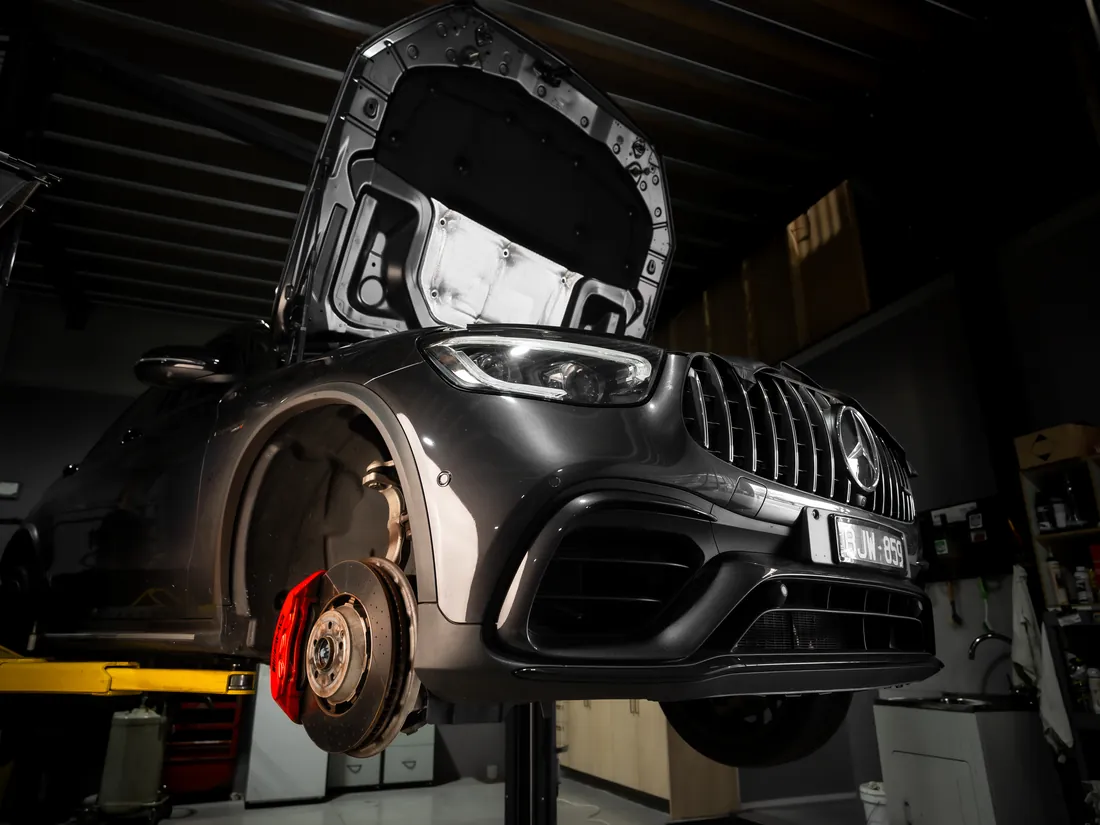
Your brakes are the one system you can’t gamble on
Every other fault on your car costs you money. Worn-out brakes can cost you a lot more. Brakes are a wear item – pads and rotors are designed to be replaced – so the question is never if but when. The good news is that brakes almost always warn you before they fail, through sound, feel and behaviour. Learn the seven signs below and you will catch the problem while it is a routine pad replacement, not an emergency. If you recognise any of them, book a brake check – it takes minutes and it is the cheapest insurance you will ever buy.
1. Squealing or screeching when you brake
That high-pitched squeal is often by design. Many brake pads have a small metal wear-indicator that deliberately scrapes the rotor when the pad gets thin, making a squeal to tell you replacement time is near. If you hear it consistently when braking – or even when rolling – your pads are likely near the end. Occasionally squeal is just dust or moisture after rain, but persistent squealing should never be ignored. It is the cheapest possible warning, because at this stage it is usually just pads, not pads and rotors.
2. Grinding – a metal-on-metal sound (urgent)
If squealing is the polite warning, grinding is the system shouting. A harsh metallic grinding when you brake usually means the pad material is completely gone and the metal backing plate is now biting into the rotor. At this point you are not just losing braking performance – you are carving grooves into the rotors, turning a pad job into a pad-and-rotor job, and lengthening your stopping distance. Grinding brakes are not safe to keep driving on. Stop driving the car normally and book it in straight away.
3. A soft, spongy or sinking pedal
Your brake pedal should feel firm and stop high. If it feels soft, spongy, or slowly sinks toward the floor, something is wrong in the hydraulic system – air in the lines, a fluid leak, a tired master cylinder, or brake fluid that has absorbed moisture and is boiling under heat. This is the sign people most often dismiss because the car still stops – but it is also the one most likely to leave you with no brakes when you need them most. A soft pedal warrants an immediate inspection.
4. Vibration or pulsing through the pedal
If the brake pedal pulses or the steering wheel shudders when you brake – especially from higher speed – your rotors are likely warped or unevenly worn. Heat is usually the culprit: hard braking, towing, or riding the brakes downhill overheats the rotors and they distort. The pulsing is the pad skipping across an uneven surface. Left alone it gets worse and chews through pads faster. Rotors can sometimes be machined, but if they are below minimum thickness they need replacing – we measure them and tell you which it is.
5. The car pulls to one side when braking
If the car tugs left or right under braking, the two sides are not braking equally. A sticking caliper, a collapsed brake hose, or uneven pad wear can all cause it. Beyond being unnerving, it wears one side out faster and can make an emergency stop unpredictable. Pulling under braking is also a guaranteed roadworthy failure. It needs diagnosing properly, because the fix depends entirely on which component is at fault.
6. Longer stopping distances
If the car simply does not pull up like it used to – you find yourself pressing harder or stopping later than you expect – your braking performance has degraded. Glazed or worn pads, thin rotors, contaminated fluid or a hydraulic fault can all be behind it. This one creeps up gradually, so it is easy to normalise. If you have a quiet moment to notice that stopping takes more effort or more road than it once did, treat it as a sign and get the system checked.
7. A brake warning light or low fluid
Two dashboard lights matter here: the brake-system warning light and the ABS light. The brake light can mean the handbrake is on, but if it is off and the light stays on, your fluid is low – often because the pads are worn or there is a leak. The ABS light means the anti-lock system has flagged a fault and may not help you in a hard stop. Either light deserves a prompt check. And if you ever see the fluid level dropping, do not just top it up and carry on – find out where it is going.
How long do brake pads and rotors last?
There is no universal number – it depends on how and where you drive. Lots of stop-start city traffic, hills, towing or a heavy right foot wears brakes faster; steady highway driving is gentler. As a rough guide, pads often last tens of thousands of kilometres and rotors typically outlast one or two sets of pads, but the only reliable measure is to physically check the thickness. That is why every service we do includes a brake inspection – so we can tell you ‘plenty of life left’ or ‘plan for pads soon’ before it becomes a noise.
What a brake repair involves – and what we charge
A proper brake job is more than slapping on pads. We measure pad and rotor thickness, check the calipers and slides for sticking, inspect the hoses and fluid, clean and lubricate the hardware, fit quality pads and rotors suited to your car, and bed them in. We quote it as a fixed price in writing before we start – you approve the work and the figure first. Because worn brakes are also a guaranteed roadworthy failure, getting them sorted keeps your car both safe and road-legal. See our full brake repairs service.
Don’t wait on brakes
If your car is doing any of the seven things above, book a brake check now – not next month. It is a quick inspection, we will tell you honestly whether it is urgent or can wait, and you will get a fixed quote either way. We are your RACV-accredited Cranbourne West workshop. Book online or call 03 8782 0711.
Need a hand from a real mechanic?
StarTech Prestige is your RACV-accredited Cranbourne West specialist. Book online or call 03 8782 0711.
Book Online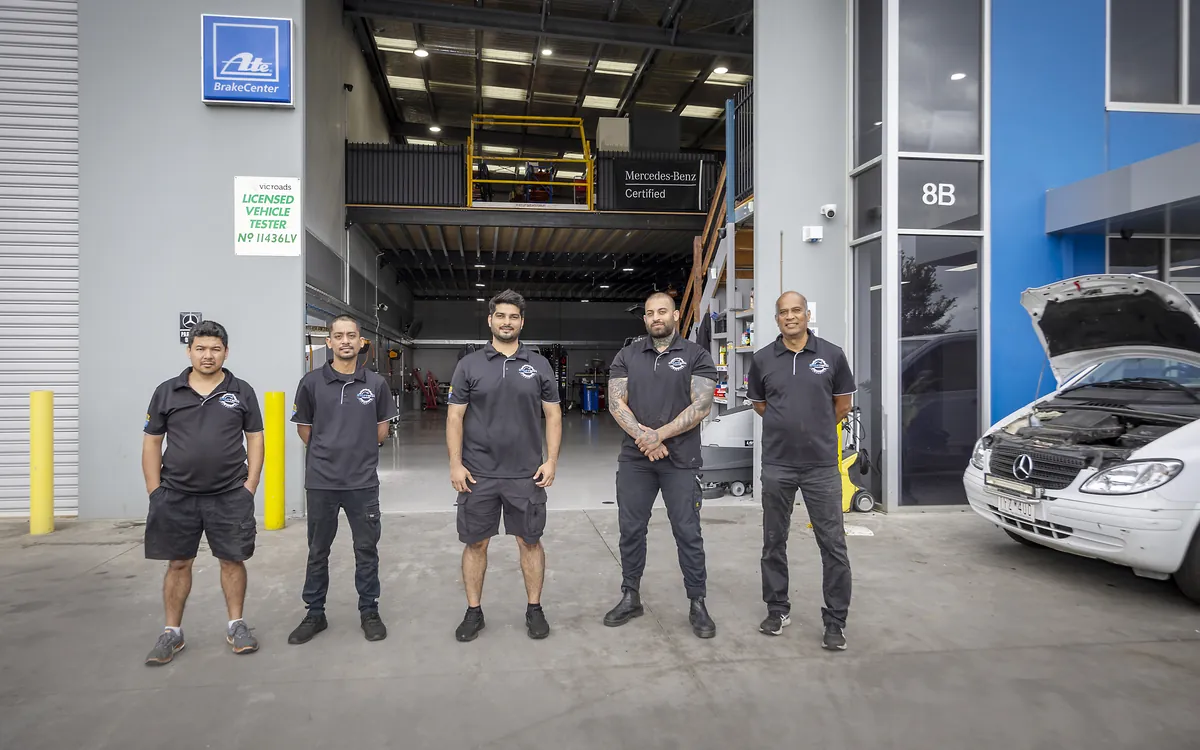
Patrick, Leon & the StarTech Prestige team
A father-and-son workshop — founded by Patrick (40+ years in the trade) and run by his son Leon, servicing Mercedes-Benz and European cars in Cranbourne West for 22+ years. StarTech Prestige is RACV Approved, VACC A-Grade and ARCtick licensed — rated 4.7★ from 177 Google reviews, the highest in the area.
7 Signs Your Brakes Need Replacing — FAQ
Listen and feel: squealing usually means the wear indicator is touching, grinding means the pad is gone, and a soft or pulsing pedal points to a hydraulic or rotor problem. The only certain way is to measure the pads and rotors, which we do at every service.
No. Grinding usually means metal-on-metal contact – you have reduced braking and you are damaging the rotors with every stop. Book it in straight away rather than driving on it.
It depends on your car and whether you need pads only or pads and rotors. We measure everything first and give you a fixed written quote before any work starts.
Yes. Brakes that are worn, pulling, or have a soft pedal are a guaranteed roadworthy failure. We can inspect, repair and re-test in one visit.
Skip the quote queue — just book.
Fixed written pricing, RACV-accredited and warranty-safe. Pick a time that suits you and you’re done — trusted by 177+ Cranbourne West drivers.
Talk to a real mechanic
No waiting on quotes — lock in your spot in 60 seconds. Fixed written pricing confirmed before any work.
Book Online →Call 03 8782 07118B Universal Way, Cranbourne West VIC 3977 · Mon-Fri 8:30am-5:30pm
Questions about your car?
Talk to a real Cranbourne West mechanic. Call 03 8782 0711 or book online.