Clutch Replacement: Warning Signs, Cost & What to Expect
Slipping clutch, high pedal or a burning smell? A Cranbourne West specialist explains the warning signs your clutch is going, what affects clutch replacement cost, and the dual-mass flywheel question.
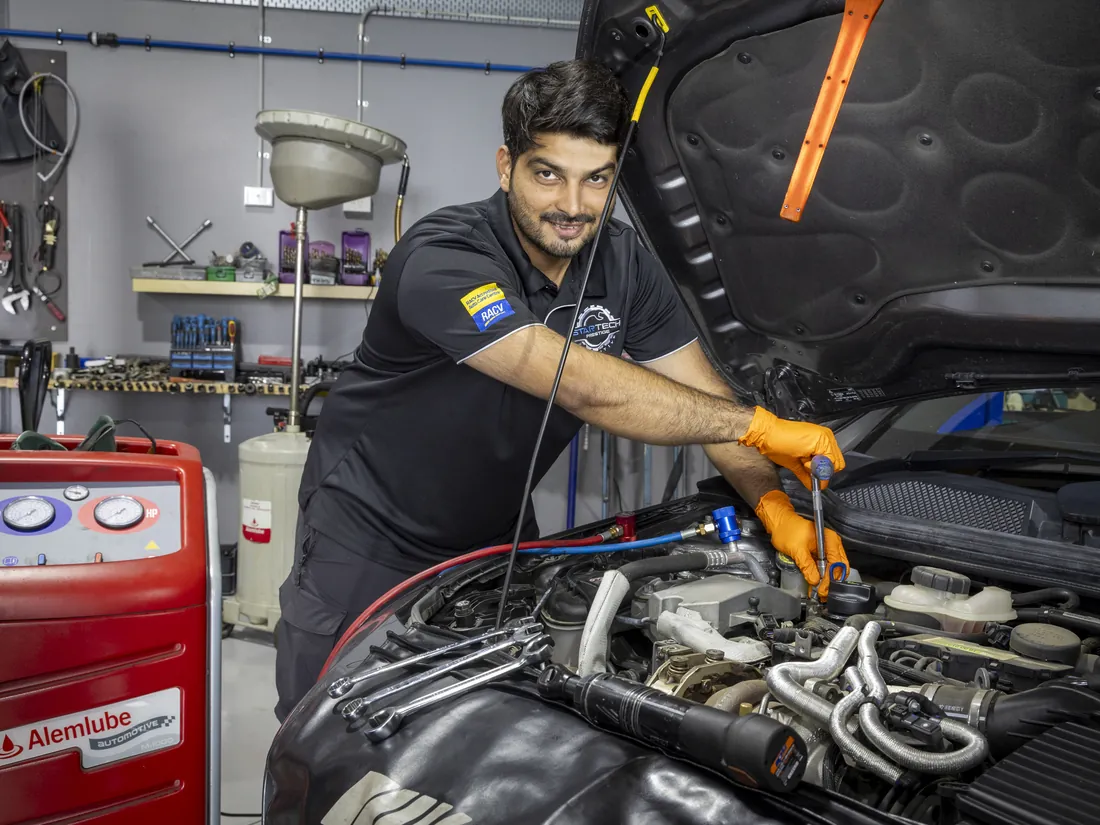
How a clutch works – and why it wears out
In a manual car the clutch is what connects and disconnects the engine from the gearbox so you can change gears and pull away smoothly. Every time you take off, the clutch friction plate slips briefly against the flywheel until the two are spinning together – and that controlled slip is also gradual wear. A clutch is a wear item, like brake pads: how long it lasts depends almost entirely on how it is driven and what kind of driving it does. The good news is that a tired clutch gives you plenty of warning. Here are the signs, what drives the cost, and what to expect from the job.
Sign: the clutch is slipping
Slipping is the classic dying-clutch symptom. You press the accelerator, the engine revs climb – but the car does not speed up in proportion, as if the power is not fully reaching the wheels. It is most obvious under load: accelerating hard, going uphill, or in a high gear at low speed. What is happening is the worn friction plate can no longer grip the flywheel firmly, so it slips instead of driving. A slipping clutch only gets worse, generates heat that damages other parts, and will eventually leave you unable to drive – so it is best caught early.
Sign: a high, soft or strange-feeling pedal
Pay attention to your clutch pedal. If the bite point creeps higher (the clutch engages right near the top of the pedal travel), or the pedal feels soft, spongy, stays on the floor, or comes back oddly, the clutch or its hydraulics are telling you something. A high bite point often indicates a worn clutch; a soft or sinking pedal can point to a hydraulic fault in the master or slave cylinder. Either way, a clutch pedal that no longer feels normal is an early warning worth acting on before it strands you.
Sign: trouble selecting or staying in gear
If gears are becoming hard to engage – notchy, crunchy, or resisting going in, especially first and reverse – the clutch may not be fully disengaging (releasing) when you press the pedal. A clutch that does not release cleanly makes the gearbox fight you and, over time, can damage the synchros. Grinding when changing gears is the related warning. While these symptoms can occasionally be gearbox-related, a clutch that is not releasing properly is a common cause and one we will check first.
Sign: shuddering as you pull away
If the car shudders or judders as you release the clutch to pull away – a vibration through the whole car rather than a smooth take-off – the clutch components or the flywheel surface may be worn, contaminated (often by an oil leak), or distorted by heat. Shuddering tends to worsen and is unpleasant to live with. Because an oil leak onto the clutch is a frequent cause, fixing the leak is sometimes part of the repair – we identify the root cause rather than just fitting parts and hoping the shudder goes away.
Sign: a burning smell
A sharp, acrid burning smell – a bit like overheated brakes or scorched paper – after pulling away on a hill, towing, or riding the clutch in traffic, is the friction material overheating. An occasional whiff during very heavy use can be normal, but a regular burning smell means the clutch is slipping and getting hot, which accelerates the wear dramatically. If you can smell your clutch, it is working too hard – and that is your cue to get it checked before the slip becomes total.
What affects clutch replacement cost
Clutch replacement cost varies more than most repairs, and for good reasons. The biggest factors are how much labour it takes to reach the clutch (on some cars the gearbox or even subframe has to come out, on others it is more accessible), whether your car needs a simple clutch plate or a full kit, and – the big one – whether it has a dual-mass flywheel that should be replaced at the same time. Front-wheel-drive, all-wheel-drive and European layouts often take more labour than a simple rear-drive car. That is why we quote each clutch individually after confirming exactly what your car needs.
The dual-mass flywheel question
Many modern cars – especially diesels and European models – use a dual-mass flywheel (DMF), a sprung two-part flywheel that smooths out engine vibration. Unlike an old solid flywheel that could simply be machined, a DMF wears out and has a limited life of its own. The honest advice: if your DMF is worn or near the end of its life, replace it with the clutch. Reusing a tired DMF to save money often means the shudder or noise returns and you pay the big labour bill again. We check the flywheel’s condition and tell you straight whether it needs doing.
How long does a clutch replacement take?
For most cars a clutch replacement is around a day’s work, though it varies with how the car is built and what we find once it is apart. Because it is a labour-intensive job, it makes sense to replace related wear items while we are in there – the release bearing, and the flywheel if it is worn – rather than paying the access labour twice. We give you a firm time and a fixed price before we begin, and we will tell you up front if your particular car is one of the more involved ones.
Get a straight quote on your clutch
If your clutch is slipping, shuddering, smelling hot or feeling strange at the pedal, book it in. We confirm the fault first – so you are not paying for a clutch the car did not need – then handle clutch replacement, dual-mass flywheels and gearbox repairs with quality parts and fixed written pricing. Book online or call 03 8782 0711.
Need a hand from a real mechanic?
StarTech Prestige is your RACV-accredited Cranbourne West specialist. Book online or call 03 8782 0711.
Book Online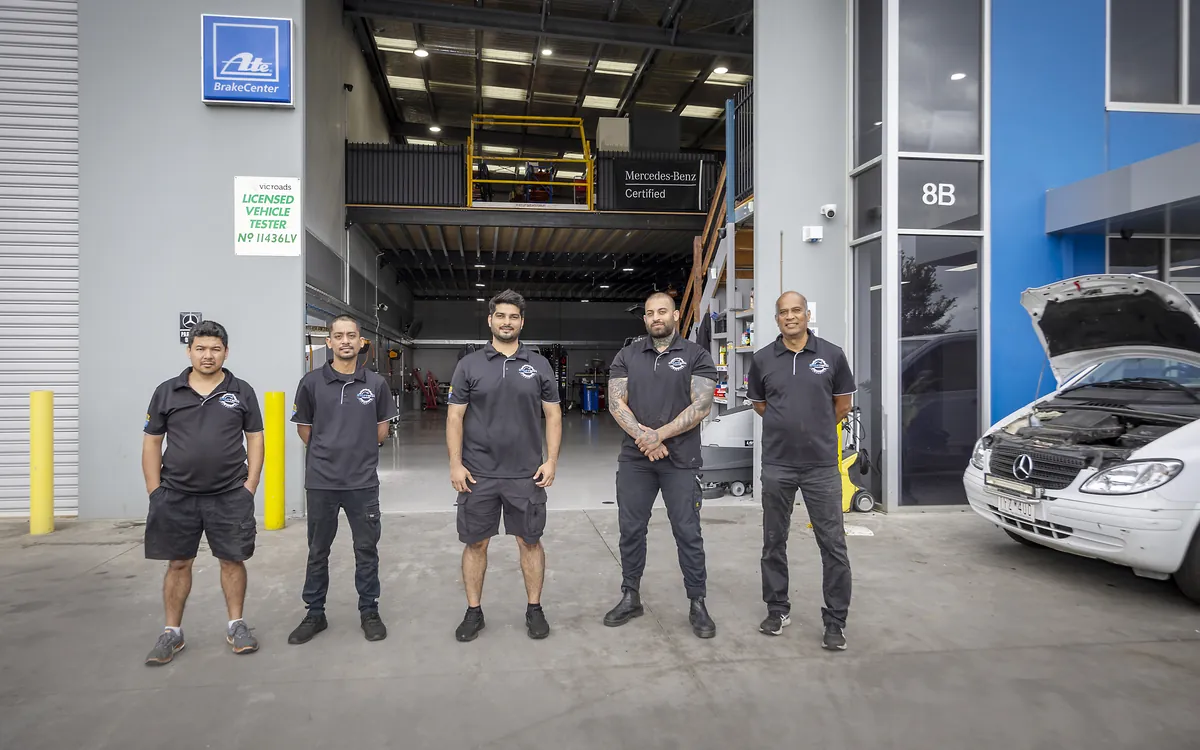
Patrick, Leon & the StarTech Prestige team
A father-and-son workshop — founded by Patrick (40+ years in the trade) and run by his son Leon, servicing Mercedes-Benz and European cars in Cranbourne West for 22+ years. StarTech Prestige is RACV Approved, VACC A-Grade and ARCtick licensed — rated 4.7★ from 177 Google reviews, the highest in the area.
Clutch Replacement: Warning Signs, Cost & What to Expect — FAQ
The main signs are slipping (revs rise but speed doesn’t), a high or spongy pedal, trouble selecting gears, shuddering on take-off, and a burning smell. Any of these is worth checking before the clutch fails completely.
It varies widely by car – mainly how much labour it takes to reach the clutch, and whether a dual-mass flywheel needs replacing too. We confirm what your car needs and give a fixed written quote first.
If you have a dual-mass flywheel and it’s worn, yes. Reusing a tired flywheel often brings the shudder or noise back and means paying the big labour bill twice. We check its condition and advise honestly.
Usually around a day, depending on the vehicle. We give you a firm time and fixed price before we start.
Skip the quote queue — just book.
Fixed written pricing, RACV-accredited and warranty-safe. Pick a time that suits you and you’re done — trusted by 177+ Cranbourne West drivers.
Talk to a real mechanic
No waiting on quotes — lock in your spot in 60 seconds. Fixed written pricing confirmed before any work.
Book Online →Call 03 8782 07118B Universal Way, Cranbourne West VIC 3977 · Mon-Fri 8:30am-5:30pm
Questions about your car?
Talk to a real Cranbourne West mechanic. Call 03 8782 0711 or book online.