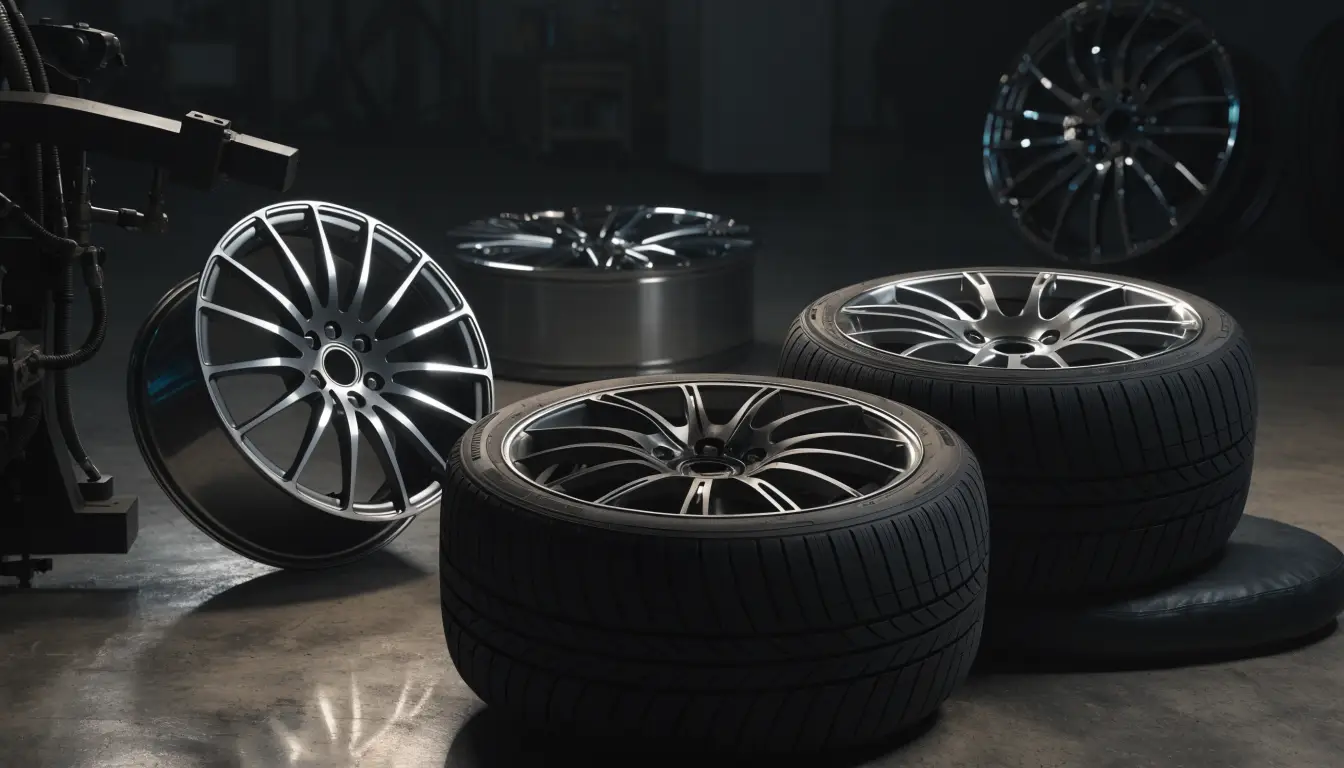
Why (and How) Wheel Nuts Get Re-Torqued After Wheel Work
That “come back after 100km” instruction isn’t upselling — it’s physics. A Cranbourne West specialist explains.
Why nuts loosen after wheel work
When a wheel is refitted, the mating faces bed against each other over the first heat cycles and kilometres — microscopic settling that can relax the clamping force. Re-torquing after ~50–100 km confirms every nut still holds its specified figure. Alloy wheels and any hint of paint or corrosion on the hub face make it matter more.
A wheel that’s loosening announces itself: clicking at low speed, a wobble, then worse. Never ignore that sequence after recent wheel work.
Doing it right
Torque means a torque wrench at the maker’s figure in a star pattern — not a rattle gun run to “very tight”, which stretches studs and warps discs, and not guesswork, which under-clamps. If you rotate your own tyres, a torque wrench is the one tool that isn’t optional.
Every wheel we fit is torque-wrenched and we’ll re-check after your first drive — free, quick, done.
We’ll take care of it
Prefer to leave it to a specialist? We look after all of this as part of a service or a quick check — with honest advice on what your car actually needs, not what sells.
Book online in 60 seconds or call a Cranbourne West specialist on 03 8782 0711.
Why (and How) Wheel Nuts Get Re-Torqued After Wheel Work — FAQ
Mating faces settle over the first kilometres and heat cycles — a re-check confirms clamping force held.
Clicking at low speed, then wobble — after recent wheel work, treat it as urgent.
It’s usually too tight — stretched studs and warped discs. Torque wrench, star pattern, maker’s figure.
Yes — after any wheel work with us, the re-check takes minutes.
Related guides & services
More guides like this
Want it done properly?
Book your car in online in 60 seconds — RACV-accredited, fixed written pricing, no surprises. Or call 03 8782 0711.